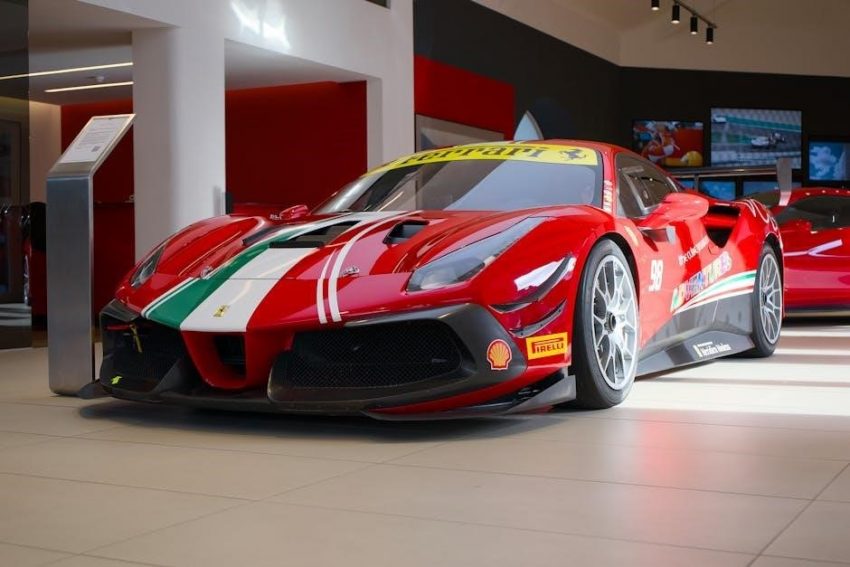
The Ferrari California‚ a stunning convertible‚ gains renewed interest due to exceedingly rare manual conversions‚ captivating enthusiasts seeking a more engaging driving experience.
The Rarity of a Manual California
The manual Ferrari California is exceptionally rare‚ a fact that fuels significant collector interest and demand. Originally‚ the California was primarily offered with Ferrari’s dual-clutch transmission‚ diminishing the availability of the traditional manual option. Reports indicate that only three Californias were ever factory-equipped with a true manual transmission‚ making them incredibly sought-after.
Tragically‚ one of these three vehicles was unfortunately wrecked‚ reducing the number of existing factory manual Californias to a mere two. This scarcity elevates their status within the Ferrari community‚ transforming them into potential auction stars and highly collectible items. The dwindling number of manual transmissions in modern cars further amplifies the appeal of these rare Californias‚ representing a connection to a fading automotive tradition.
Why the Interest in Manual Conversions?
The growing interest in manual conversions for the Ferrari California stems from a desire for a more visceral and connected driving experience. While the dual-clutch transmission offers speed and efficiency‚ many enthusiasts crave the engagement of a traditional manual gearbox and the control it provides. This passion is amplified by the increasing rarity of manual transmissions in new vehicles‚ making conversions a way to preserve a dying art.
The appeal is further heightened by the iconic exposed metal gate H-pattern shifter‚ a hallmark of Ferrari’s heritage. Companies like EAG (European Auto Group) and Cambio Manuale are capitalizing on this demand‚ offering conversion kits and services. The possibility of “rowing your own gears” in a California‚ even if it wasn’t originally offered‚ is proving irresistible to many Ferrari aficionados.
The Factory Manual California: A Limited Production
Only a handful of Ferrari Californias were originally produced with a true manual transmission‚ making them exceptionally rare and highly sought-after by collectors today.
Production Numbers and Vehicle Identification
Determining the exact number of factory-built manual California models proves challenging‚ with sources indicating a remarkably low production run of just three vehicles initially. Tragically‚ one of these examples was unfortunately involved in an accident and subsequently written off‚ leaving only two confirmed surviving examples worldwide.
Identifying these rare Californias requires careful scrutiny of vehicle records and chassis numbers. Prospective buyers and collectors must verify authenticity through official Ferrari documentation and expert inspection. The limited production run elevates these cars to a unique status within the Ferrari lineage‚ representing the final chapter of manual transmissions in the California model line. Their scarcity significantly contributes to their increasing collectibility and value within the automotive world.
The 2012 California: A Unique Offering
The 2012 Ferrari California holds a peculiar place in the manual transmission narrative‚ often misunderstood due to its dual-clutch transmission (DCT) configuration. While primarily equipped with the DCT‚ which eliminates the need for a traditional clutch pedal thanks to its two gearboxes‚ the 2012 California did retain a clutch pedal within its interior layout.
However‚ this wasn’t a fully manual system in the traditional sense. Despite the presence of the pedal‚ the DCT still managed gear changes automatically. The true rarity lies in the exceptionally limited number – only three – Californias that were actually optioned with a genuine‚ traditional manual gearbox from the factory. This makes the 2012 California a fascinating anomaly‚ bridging the gap between automated performance and driver engagement.
Why Were Manual Californias Discontinued?
The discontinuation of manual Californias reflects a broader industry trend towards automated transmissions‚ prioritizing ease of use and perceived performance gains. Ferrari‚ like many manufacturers‚ shifted focus to dual-clutch systems‚ believing they offered faster shift times and improved efficiency‚ appealing to a wider customer base.
Demand for manual transmissions was dwindling‚ and the complexity of offering a manual option in a relatively low-volume model like the California likely didn’t justify the engineering and production costs. The limited production run of just three factory-manual Californias underscores this point. The increasing preference for the convenience of automatic systems ultimately sealed the fate of the manual California‚ marking it as a rare and increasingly collectible piece of Ferrari history.
The Conversion Process by EAG (European Auto Group)
EAG expertly converts Californias to manual‚ leveraging existing Ferrari F430 and 599 components and utilizing pre-existing holes for shift cable routing‚ simplifying installation.
Leveraging Existing Components
EAG’s conversion process isn’t a complete fabrication; it smartly utilizes parts already present within the Ferrari family. The California shares a significant number of components with the F430 and 599 models‚ streamlining the conversion and reducing the need for entirely custom-made parts. This approach significantly lowers costs and complexity.
Crucially‚ the California was originally designed with provisions for a manual transmission‚ even if it wasn’t widely offered. This foresight means that the necessary holes for routing the shift cables were already present in the chassis‚ eliminating the need for potentially invasive and costly drilling. This pre-existing infrastructure dramatically simplifies the mechanical aspects of the conversion‚ making it a more feasible and reliable undertaking. By capitalizing on these existing elements‚ EAG delivers a conversion that feels remarkably integrated and factory-like.
Shared Parts with F430 and 599 Models
The ingenuity of the manual California conversion by EAG lies in its clever reuse of components from other Ferrari models‚ specifically the F430 and 599. This isn’t simply bolting on parts; it’s a strategic leveraging of existing Ferrari engineering. Key transmission components‚ shift linkages‚ and even portions of the shifter mechanism are sourced from these related vehicles‚ ensuring compatibility and maintaining a degree of Ferrari authenticity.
This parts-sharing approach significantly reduces the development time and cost associated with creating entirely new components. It also benefits reliability‚ as these parts have already proven themselves within the Ferrari ecosystem. By utilizing these existing resources‚ EAG can offer a conversion that feels less like an aftermarket modification and more like a factory option that was simply never widely available‚ appealing to purists and collectors alike.
Shift Cable Routing and Pre-Existing Holes
A remarkable aspect of the California’s manual conversion is the surprising discovery of pre-existing provisions within the chassis. EAG’s documentation reveals that the necessary holes for routing the shift cables were already present from the factory‚ a testament to potential planning for a manual option that never fully materialized. This significantly streamlines the conversion process‚ avoiding the need for extensive drilling or structural modifications which could compromise the vehicle’s integrity.
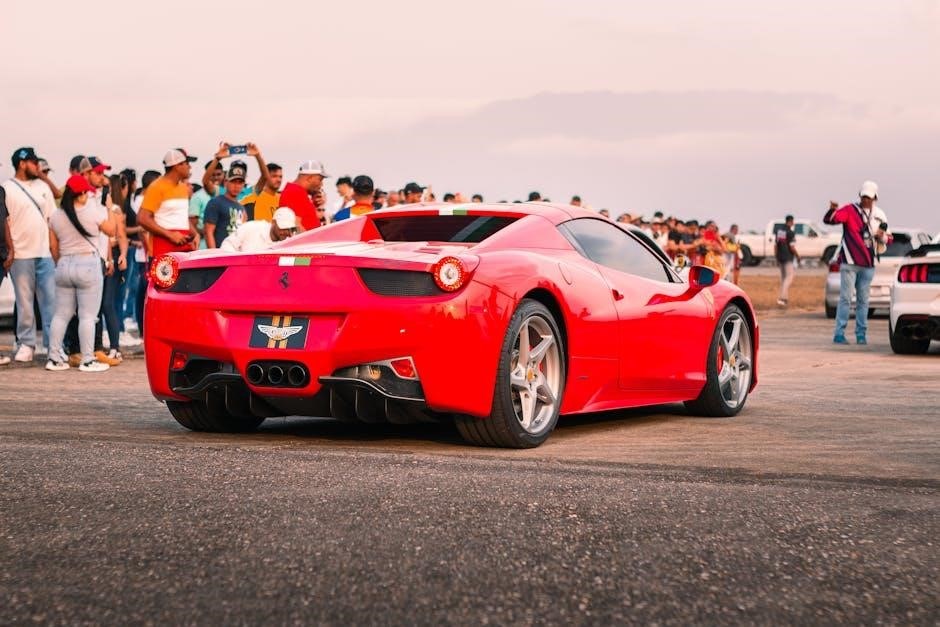
The strategic placement of these holes suggests Ferrari anticipated a manual transmission variant at some point during the California’s development. This simplifies cable routing‚ ensuring a clean and factory-like installation. It’s a detail that speaks volumes about the underlying engineering and reduces the complexity‚ cost‚ and potential risks associated with a full manual swap‚ making the conversion more accessible.
Cambio Manuale: Specializing in Manual Conversions
Cambio Manuale passionately offers gated manual conversion kits for Ferrari 360 and F430 models‚ enabling enthusiasts to experience the joy of a traditional H-pattern shifter.
Gated Conversion Kits for Ferrari 360 and F430
Cambio Manuale meticulously designs and develops gated manual conversion kits specifically tailored for Ferrari 360 and F430 models. These kits allow owners to transform their automatic F1-equipped vehicles into engaging‚ six-speed manual experiences. The appeal lies in recapturing a more visceral connection with the car‚ offering complete driver control over gear selection.
These aren’t simple bolt-on solutions; they represent a comprehensive system‚ including a robust shifter mechanism‚ necessary linkages‚ and all supporting components. The kits aim to seamlessly integrate with the existing Ferrari architecture‚ preserving the vehicle’s original character while enhancing its driving dynamics. The focus is on providing a high-quality‚ reliable conversion that delivers the authentic feel of a traditional gated manual transmission‚ appealing to purists and enthusiasts alike.
The Appeal of the Gated H-Pattern Shifter
The iconic exposed metal gate H-pattern shifter is a significant draw for enthusiasts considering a manual conversion on their Ferrari California. It represents a tangible link to a bygone era of driving‚ offering a tactile and engaging experience absent in modern automatic systems. This shifter isn’t merely a control; it’s a focal point‚ a visual and physical reminder of the driver’s involvement.
The precise‚ mechanical feel of selecting each gear through the gate provides a level of control and feedback that many drivers crave. It transforms the act of driving into a more deliberate and rewarding process. For collectors and enthusiasts‚ the presence of a gated shifter elevates the car’s desirability‚ potentially increasing its value and solidifying its status as a true driver’s machine.
Benefits of a Manual Conversion
Converting a Ferrari California to a manual transmission offers a profoundly enhanced driving experience‚ appealing to purists who desire complete control. Beyond the engaging feel of a gated shifter‚ a manual conversion fosters a deeper connection between driver and machine‚ increasing involvement and enjoyment. This modification caters to a growing demand for manual transmissions in an increasingly automated automotive landscape.
Furthermore‚ a manual California is poised to become a highly collectible item. With manual options dwindling‚ these conversions represent a rare opportunity to own a uniquely specified Ferrari. The limited production numbers – only a handful originally produced – coupled with the enthusiast appeal‚ suggest a strong potential for future appreciation‚ making it a compelling investment for passionate collectors.
Challenges and Considerations for Conversion
Manual conversions require significant investment‚ demanding skilled technicians and potentially impacting resale value; careful planning and qualified expertise are absolutely essential.
Cost of Conversion
Converting a Ferrari California to a manual transmission is a substantial financial undertaking‚ far exceeding typical automotive modifications. The process‚ primarily undertaken by specialists like European Auto Group (EAG) and Cambio Manuale‚ involves sourcing and installing a complete manual transmission system. This includes not only the gearbox itself‚ but also the necessary shift linkages‚ clutch components‚ and potentially modifications to the car’s electronics and software to ensure seamless integration.
Estimates for a complete conversion can easily range from $20‚000 to $30‚000 or even higher‚ depending on the specific components used and the complexity of the installation. Labor costs from experienced Ferrari technicians contribute significantly to the overall expense. Furthermore‚ acquiring the necessary parts – often sourced from Ferrari F430 or 599 models which share compatible components – can be challenging and add to the cost. It’s a premium modification reflecting the rarity and specialized nature of the work involved.
Maintaining Vehicle Value
The impact of a manual conversion on a Ferrari California’s resale value is a complex consideration. While the increasing demand for manual transmissions among collectors suggests a potential increase in value for converted examples‚ it’s not a guaranteed outcome. Purists may still favor original‚ factory-spec vehicles‚ potentially limiting the appeal to a specific segment of the market.
However‚ given the extreme rarity of factory-manual Californias – with only a handful ever produced – a well-executed conversion by a reputable shop like EAG or Cambio Manuale could significantly enhance desirability. Documentation of the conversion process‚ including parts receipts and technician notes‚ is crucial. Ultimately‚ the value will depend on the quality of the work‚ the overall condition of the car‚ and prevailing market trends. Careful consideration is vital before proceeding.
Finding Qualified Technicians
Successfully executing a manual conversion on a Ferrari California demands highly specialized expertise. This isn’t a project for a general mechanic; it requires a deep understanding of Ferrari’s engineering and a proven track record with similar conversions. Shops like European Auto Group (EAG) and Cambio Manuale have established reputations for these intricate modifications.
Thorough research is paramount. Seek technicians familiar with the shared components between the California‚ F430‚ and 599 models‚ as leveraging existing parts is key to a successful conversion. Verify their experience with shift cable routing and the utilization of pre-existing mounting points within the chassis. Request references and inspect previous work. A botched conversion can severely devalue the vehicle and compromise its reliability‚ making technician selection critical.
The Future of Manual Ferraris
As manual transmissions become increasingly scarce‚ the few manual California models are poised to become highly collectible‚ attracting passionate enthusiasts and investors alike.
Increasing Demand for Manual Transmissions
The automotive landscape is witnessing a resurgence in demand for manual transmissions‚ particularly within the enthusiast community. This trend directly impacts the desirability of rare manual-equipped Ferraris like the California. As manufacturers increasingly prioritize automatic and dual-clutch systems‚ the availability of a traditional‚ driver-focused manual experience diminishes‚ creating a heightened appreciation for existing examples.
This shift isn’t merely nostalgia; drivers crave a deeper connection with their vehicles‚ enjoying the control and engagement offered by a manual gearbox. The California‚ even with its dual-clutch origins‚ benefits from conversion efforts‚ offering that sought-after experience. The limited production numbers of factory-manual Californias‚ coupled with the growing preference for manual transmissions‚ suggest a strong potential for increased value and collectibility in the coming years. This demand fuels both the preservation of existing cars and the pursuit of high-quality conversions.
The Collectibility of Manual Californias
The extreme rarity of the manual Ferrari California significantly elevates its potential as a collector’s item. With only a handful of factory-produced examples – and even fewer remaining in original condition – these cars represent a unique piece of Ferrari history. The appeal is amplified by the broader trend of appreciating driver-focused vehicles in an era of increasing automation.
Converted Californias‚ executed to a high standard by reputable shops like EAG and Cambio Manuale‚ are also poised to gain collectibility. The exposed metal gate H-pattern shifter‚ a hallmark of Ferrari’s past‚ adds to the allure. As the market recognizes the craftsmanship and dedication involved in these conversions‚ their value is likely to appreciate alongside their factory-manual counterparts‚ becoming highly sought-after assets for discerning collectors.